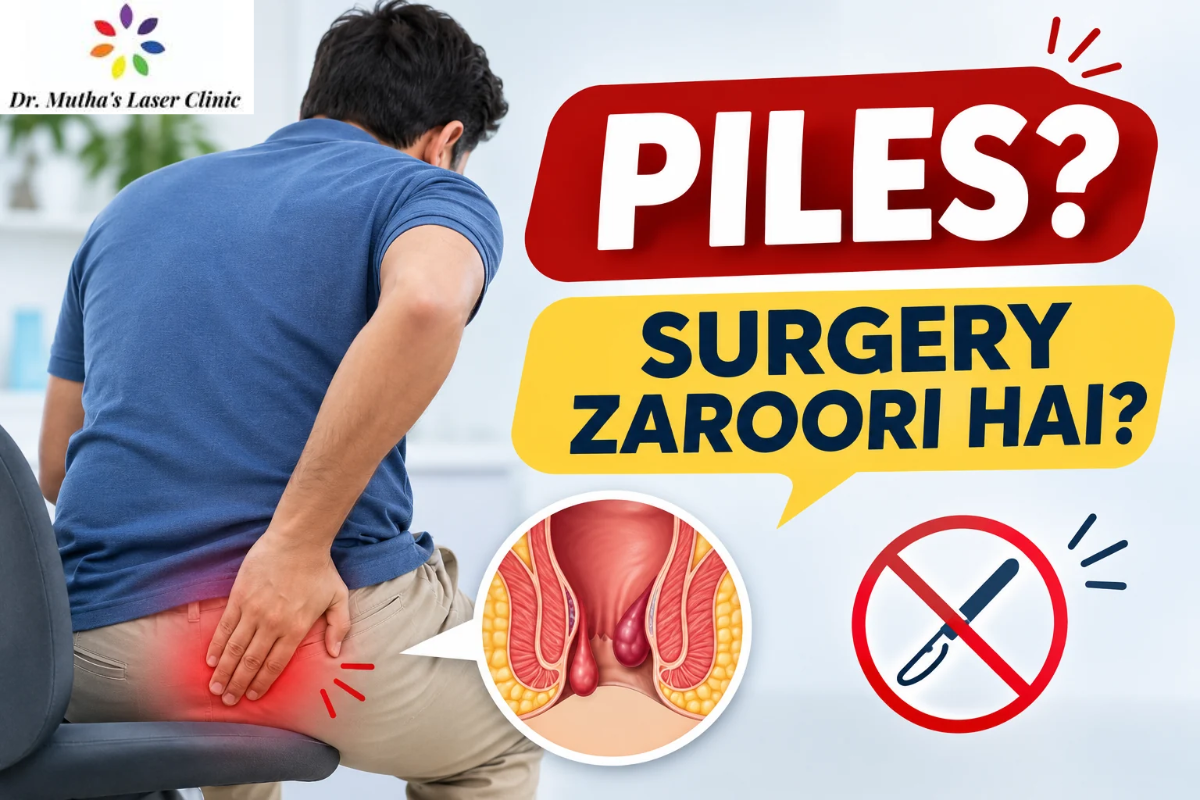
Being diagnosed with piles can raise several concerns, especially when it comes to surgery. Many patients worry about surgical procedures, recovery time, discomfort and taking time away from their daily routine. However, having piles does not automatically mean that you need surgery.
The appropriate treatment depends on the severity of the condition, duration of symptoms, medical history and response to conservative treatment.
If you are looking for piles treatment in Pune, consulting a qualified proctologist such as Dr. Neha Mutha can help you understand your condition and explore suitable treatment options.
Is Surgery Necessary for Every Piles Patient?
No, surgery is not necessary for every patient with piles. Many patients with early-stage piles can manage their symptoms through dietary modifications, medications and healthier bowel habits.
However, when symptoms become persistent, the condition progresses or conservative treatments fail to provide adequate relief, a medical procedure or surgical intervention may be recommended.
An accurate diagnosis is essential before deciding on any treatment.
What Are Piles and Why Do They Develop?
Piles, medically known as haemorrhoids, are swollen vascular tissues around the lower digestive outlet. Although these tissues are naturally present in the body, excessive swelling can cause discomfort and other symptoms.
Some common contributing factors include:
-
Chronic constipation
-
Excessive straining during bowel movements
-
Prolonged sitting on the toilet
-
Low-fibre diet
-
Inadequate water intake
-
Pregnancy
-
Frequent episodes of diarrhoea
-
Age-related weakening of supporting tissues
Understanding these factors can help patients manage symptoms and reduce the risk of recurrence.
Understanding the Four Grades of Piles
Internal piles are classified into four grades depending on the extent of tissue protrusion. This classification helps doctors determine an appropriate treatment approach.
| Grade | Condition | Possible treatment |
|---|---|---|
| Grade 1 | Internal swelling without protrusion | Medicines and lifestyle changes |
| Grade 2 | Tissue protrudes but returns naturally | Conservative treatment or outpatient procedures |
| Grade 3 | Protruding tissue requires manual repositioning | Outpatient procedures or surgery |
| Grade 4 | Permanently protruding tissue | Surgical treatment may be recommended |
The grade alone does not determine whether surgery is required. Symptoms, complications and previous treatment outcomes must also be considered.
Guideline Central+1
How Can Piles Be Treated Without Surgery?
Early-stage piles can often be managed through conservative treatment. The primary objective is to reduce discomfort, improve bowel habits and prevent further progression.
1. Increase Dietary Fibre
Including fibre-rich foods such as fruits, vegetables, whole grains, oats and pulses can help soften stools and reduce excessive straining.
2. Maintain Proper Hydration
Drinking adequate water throughout the day supports healthy digestion and regular bowel movements.
3. Avoid Prolonged Toilet Sitting
Spending unnecessary time on the toilet, particularly while using mobile phones, can increase pressure on sensitive tissues.
4. Stay Physically Active
Regular walking and moderate physical activity can support digestive health and reduce constipation.
5. Take Prescribed Medicines
Depending on the symptoms, your doctor may recommend topical medications, fibre supplements or stool softeners.
6. Warm Water Sitz Bath
Sitting in comfortably warm water may provide temporary relief from irritation and discomfort.
These measures are generally recommended as part of initial piles management.
American Gastroenterological Association+1
When Does Piles Surgery Become Necessary?
Although many patients benefit from conservative management, surgical treatment may be considered under certain circumstances.
These include:
-
Persistent symptoms despite appropriate medication
-
Advanced-stage piles
-
Repeated episodes of painful swelling
-
Large external piles causing significant discomfort
-
Permanently protruding tissue
-
Symptoms affecting everyday activities and quality of life
-
Inadequate improvement after outpatient procedures
Delaying necessary treatment may prolong discomfort. However, surgery should only be recommended after a proper clinical assessment.
What Are the Different Treatment Options for Piles?
Modern piles treatment includes several approaches, ranging from conservative management to surgical procedures.
Conservative Treatment
Suitable for many patients with mild symptoms. It focuses on medication, diet and bowel habit correction.
Rubber Band Ligation
A minimally invasive outpatient procedure used for selected cases of internal piles. It helps shrink the affected tissue.
Sclerotherapy
This procedure involves injecting a medical solution into the affected tissue to encourage shrinkage.
Infrared Coagulation
A procedure that uses infrared energy to treat selected cases of internal piles.
Laser Piles Treatment
Laser-based procedures may be considered for suitable patients. Their recovery experience, effectiveness and recurrence risk depend on the procedure and individual condition.
Laser treatment is not necessary or suitable for everyone.
Conventional Piles Surgery
Conventional surgery, also known as haemorrhoidectomy, may be recommended for patients with advanced disease, significant external piles or persistent symptoms that have not responded to other treatments.
The choice of procedure should be based on clinical findings rather than the popularity of a particular technique.
Can Medicines Permanently Cure Piles?
Medicines can help manage symptoms and provide relief, particularly in the early stages. However, they may not completely reverse advanced structural changes.
Similarly, surgery does not guarantee that piles will never recur.
Maintaining healthy bowel habits, preventing constipation and following medical advice remain important even after successful treatment.
Common Myths About Piles Surgery
Myth 1: Every piles patient needs surgery.
Fact: Many patients with mild piles can be managed without surgical intervention.
Myth 2: Laser treatment is suitable for everyone.
Fact: Treatment suitability depends on the type, severity and extent of the condition.
Myth 3: Piles will never return after surgery.
Fact: Recurrence is possible, particularly when contributing lifestyle factors remain unaddressed.
Myth 4: Home remedies can treat all stages of piles.
Fact: Home remedies may help relieve mild symptoms but may not be sufficient for advanced conditions.
Myth 5: If there is no pain, treatment is unnecessary.
Fact: Some piles may cause minimal pain despite progressing. Persistent or unusual symptoms should be medically evaluated.
When Should You Consult a Piles Specialist?
Consider consulting a specialist if you experience persistent discomfort, repeated swelling, difficulty during bowel movements, tissue protrusion or symptoms that interfere with your daily routine.
Seek urgent medical attention if you experience sudden severe pain, significant bleeding, dizziness, fainting or fever associated with painful swelling.
Not every symptom in this region is caused by piles. Other conditions can present with similar symptoms, making an accurate diagnosis important.
Personalised Piles Treatment in Pune with Dr. Neha Mutha
Every patient has different symptoms, medical concerns and treatment requirements. Therefore, the same treatment approach may not be suitable for everyone.
At Dr. Mutha Laser Clinic, the focus is on understanding the patient’s condition, evaluating available treatment options and recommending appropriate management based on clinical findings.
Dr. Neha Mutha, a piles, fissure and fistula specialist in Pune, provides consultation and personalised treatment guidance to help patients make informed healthcare decisions.
Whether conservative management, an outpatient procedure or surgery is appropriate can be determined during a detailed medical consultation.
Visit Dr. Neha Mutha – Dr. Mutha Laser Clinic to learn more about available treatment options.
Frequently Asked Questions (FAQs)
1. Can piles be treated without surgery?
Yes. Many early-stage piles can be managed through medicines, dietary changes, improved bowel habits and selected outpatient procedures.
2. Is surgery compulsory for Grade 2 piles?
No. Grade 2 piles can often be managed through conservative treatment or minimally invasive outpatient procedures.
3. Does Grade 3 piles always require surgery?
Not necessarily. Selected patients may benefit from non-surgical procedures, depending on their symptoms and clinical findings.
4. Is laser surgery better than conventional piles surgery?
Neither technique is universally better. The appropriate procedure depends on the type of piles, severity, expected benefits and potential risks.
5. Can piles return after treatment?
Yes. Constipation, excessive straining and other contributing factors may increase the risk of recurrence.
6. Which doctor should I consult for piles treatment in Pune?
A qualified proctologist can evaluate your symptoms and recommend suitable treatment. You can consult Dr. Neha Mutha in Pune for personalised medical guidance.
Conclusion
So, piles mein surgery zaroori hai?
Not always. Many patients can manage piles without surgery, particularly when the condition is diagnosed early. However, advanced or persistent conditions may require medical or surgical intervention.
Rather than relying on self-diagnosis or delaying treatment due to fear of surgery, seek professional medical advice.
Consult Dr. Neha Mutha for piles diagnosis, personalised treatment guidance and appropriate care in Pune.
Website: https://drmuthalaserclinic.com/
Medical disclaimer: This article is intended for educational purposes and does not replace professional medical consultation.