Pregnancy brings many changes to the body, and some of them can be uncomfortable or unexpected. Piles during pregnancy, also known as haemorrhoids, are one such common concern. Piles are swollen veins in or around the anus and lower rectum. They may cause itching, discomfort, swelling or bleeding, particularly during bowel movements. Pregnancy can increase the likelihood of developing piles because of changes in blood flow, pressure from the growing uterus and constipation.
Understanding the symptoms and causes can help pregnant women take appropriate steps and know when professional medical advice may be needed. At Dr. Neha Mutha Laser Clinic, patients can receive medical guidance for concerns related to piles, fissures and other anorectal conditions.
What Are Piles During Pregnancy?
Piles, or haemorrhoids, are enlarged blood vessels inside or around the anal area. Internal piles develop inside the rectum, while external piles occur under the skin around the anus. Some people may experience one type, while others can have both. Pregnancy is a recognised factor that can increase pressure on these veins and contribute to their development.
Although piles can be uncomfortable, symptoms vary from person to person. Some pregnant women may have mild symptoms, while others may experience more noticeable discomfort. It is important not to assume that every anal symptom or episode of rectal bleeding is caused by piles, as other conditions can produce similar symptoms.
Common Symptoms of Piles During Pregnancy
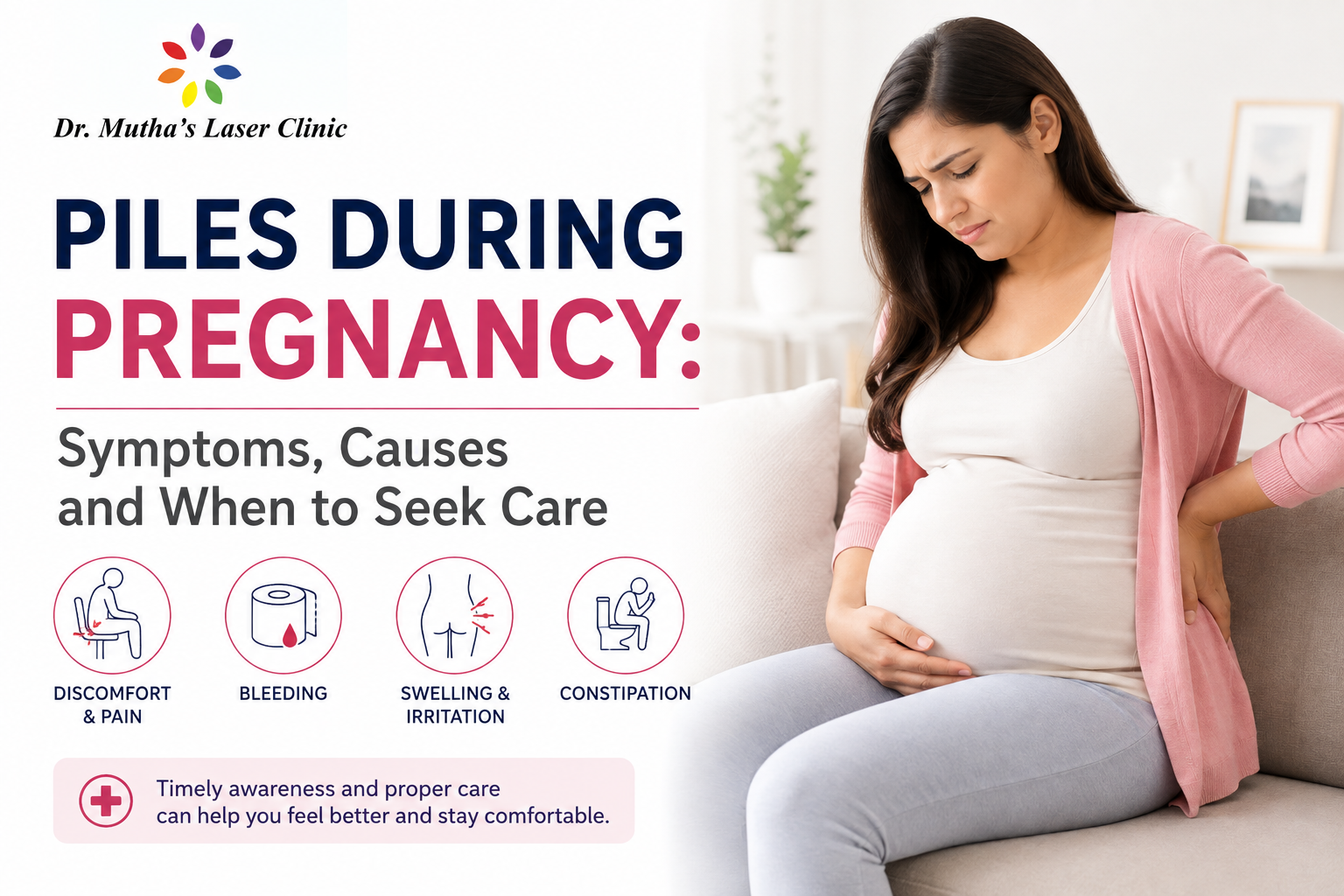
The symptoms of piles during pregnancy may depend on whether the piles are internal or external. Common symptoms can include:
- Itching or irritation around the anus
- Pain or discomfort, especially while passing stool or sitting
- Swelling around the anal area
- A lump near or outside the anus
- Bright red bleeding noticed on toilet paper or after a bowel movement
- A feeling of soreness or discomfort after passing stool
Internal piles may sometimes bleed without causing significant pain, whereas external piles can be more likely to cause itching, swelling or discomfort. If an internal pile protrudes outside the anus, it may also become painful or irritated.
If you notice bleeding during pregnancy, it is advisable to discuss it with a qualified healthcare professional rather than self-diagnosing the cause.
What Causes Piles During Pregnancy?
Several physical changes during pregnancy can contribute to the development of pregnancy piles.
1. Increased Pressure on Pelvic and Rectal Veins
As pregnancy progresses, the growing uterus and baby can place additional pressure on the veins in the pelvic and rectal area. This may make it more difficult for blood to flow freely and can contribute to swelling of the veins around the anus. Piles may therefore become more noticeable later in pregnancy.
2. Constipation
Constipation during pregnancy is a common contributing factor. When stools are hard or difficult to pass, straining during bowel movements can increase pressure on the veins in the anal region. This can trigger piles or make existing symptoms worse.
3. Pregnancy-Related Changes in Blood Volume
Pregnancy involves changes in the body’s circulation and blood volume. These changes can place additional demands on the veins and may contribute to their swelling when combined with pressure in the pelvic area.
4. Prolonged Sitting and Straining
Sitting for long periods, especially on the toilet, and repeatedly straining during bowel movements can increase pressure in the anal area. Avoiding unnecessary straining may help reduce irritation and discomfort.
Tips That May Help Manage Symptoms
Simple lifestyle measures may help support comfortable bowel habits and reduce irritation. A healthcare professional can provide advice based on an individual’s pregnancy and symptoms.
Helpful measures may include:
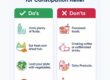
- Eating a balanced diet with adequate fibre
- Drinking sufficient fluids
- Staying physically active as advised by your obstetrician
- Avoiding straining during bowel movements
- Avoiding sitting on the toilet for extended periods
- Taking regular movement breaks instead of remaining seated for long periods
- Using gentle hygiene practices around the anal area
Warm water baths may help soothe discomfort for some people. However, pregnant women should check with their obstetrician or healthcare professional before using medicines, creams, suppositories, laxatives, supplements or other treatments. Not every over-the-counter product is appropriate for every pregnancy.
When Should You Seek Medical Care?
It is important to seek medical advice when symptoms are persistent, worsening or causing significant concern. You should contact a healthcare professional if you notice rectal bleeding, experience ongoing or severe pain, have symptoms that do not improve with appropriate home care, or are considering medicines or other treatments during pregnancy.
Urgent medical attention may be needed if there is a large amount of bleeding or if bleeding is accompanied by dizziness, light-headedness or fainting.
A medical evaluation can help identify the cause of your symptoms and rule out other conditions. This is especially important because not all bleeding, pain or lumps around the anal area are necessarily caused by piles.
When to Consult Dr. Neha Mutha
If you are experiencing symptoms of piles during pregnancy, professional guidance can help you understand your symptoms and discuss suitable care options. Dr. Neha Mutha, a Piles Specialist in Pune, provides consultation and care for piles and other anorectal concerns, including fissures and fistulas. Her clinic also lists care for piles during pregnancy among its services.
Early consultation may help you receive an appropriate assessment instead of relying solely on self-diagnosis or self-medication. The right approach depends on your symptoms, stage of pregnancy and overall health.
Final Thoughts
Piles during pregnancy can be uncomfortable, but understanding the symptoms and contributing factors can make it easier to take timely action. Constipation, straining and increased pressure on the pelvic veins are among the common reasons piles may develop or worsen during pregnancy. Maintaining healthy bowel habits and seeking medical advice when symptoms persist can be helpful.
If you have pain, bleeding or other persistent symptoms, do not assume that piles are the only possible cause. Speak with a qualified healthcare professional for an appropriate evaluation and pregnancy-specific guidance.
Medical Disclaimer:This article is for general educational purposes only and is not a substitute for professional medical advice, diagnosis or treatment. Always consult your obstetrician or qualified healthcare professional for personalised advice during pregnancy.
FAQs: Piles During Pregnancy
1. Are piles common during pregnancy?
Yes, piles during pregnancy can occur due to increased pressure on the veins around the rectal area, constipation and pregnancy-related changes in the body. Symptoms and severity can vary from person to person.
2. What are the common symptoms of piles during pregnancy?
Common symptoms may include itching, discomfort, swelling, pain during bowel movements, a lump around the anal area or bleeding. It is important to consult a healthcare professional because similar symptoms can also occur due to other conditions.
3. Can constipation cause piles during pregnancy?
Constipation during pregnancy can contribute to the development or worsening of piles. Hard stools and straining during bowel movements may increase pressure on the veins in the anal area.
4. Can piles during pregnancy cause bleeding?
Piles can sometimes cause bright red bleeding, particularly during or after a bowel movement. However, rectal bleeding should not be self-diagnosed, especially during pregnancy. Consult a qualified healthcare professional to determine the cause.
5. How can I reduce discomfort from piles during pregnancy?
Maintaining healthy bowel habits may help. This can include eating enough fibre, drinking adequate fluids, staying physically active as advised by your healthcare provider and avoiding excessive straining during bowel movements.
6. Is it safe to use piles creams during pregnancy?
Not all creams, medicines or treatments are suitable for every pregnancy. Before using any over-the-counter piles treatment during pregnancy, speak with your obstetrician or a qualified healthcare professional.
7. When should I see a doctor for piles during pregnancy?
Seek medical advice if you have persistent or worsening symptoms, significant pain, rectal bleeding or a lump around the anal area. A doctor can assess your symptoms and recommend appropriate care.
8. Can piles go away after pregnancy?
In some cases, pregnancy-related piles may improve after delivery as pressure on the pelvic and rectal veins changes. However, the outcome can vary. Persistent or troublesome symptoms should be evaluated by a healthcare professional.
9. Can I prevent piles during pregnancy?
It may not always be possible to prevent piles completely, but reducing constipation and avoiding unnecessary straining may help. A balanced diet, adequate fluid intake and suitable physical activity can support regular bowel movements.
10. Where can I seek consultation for piles in Pune?
For persistent symptoms or concerns, you can consult Dr. Neha Mutha for an appropriate assessment. Dr. Neha Mutha Laser Clinic provides consultation for piles and other anorectal conditions. A medical professional can help determine the cause of symptoms and discuss suitable care options.
FAQ Disclaimer:These FAQs are for general educational purposes and do not replace personalised medical advice. Pregnant women should consult their obstetrician or qualified healthcare professional before starting any medicine or treatment.