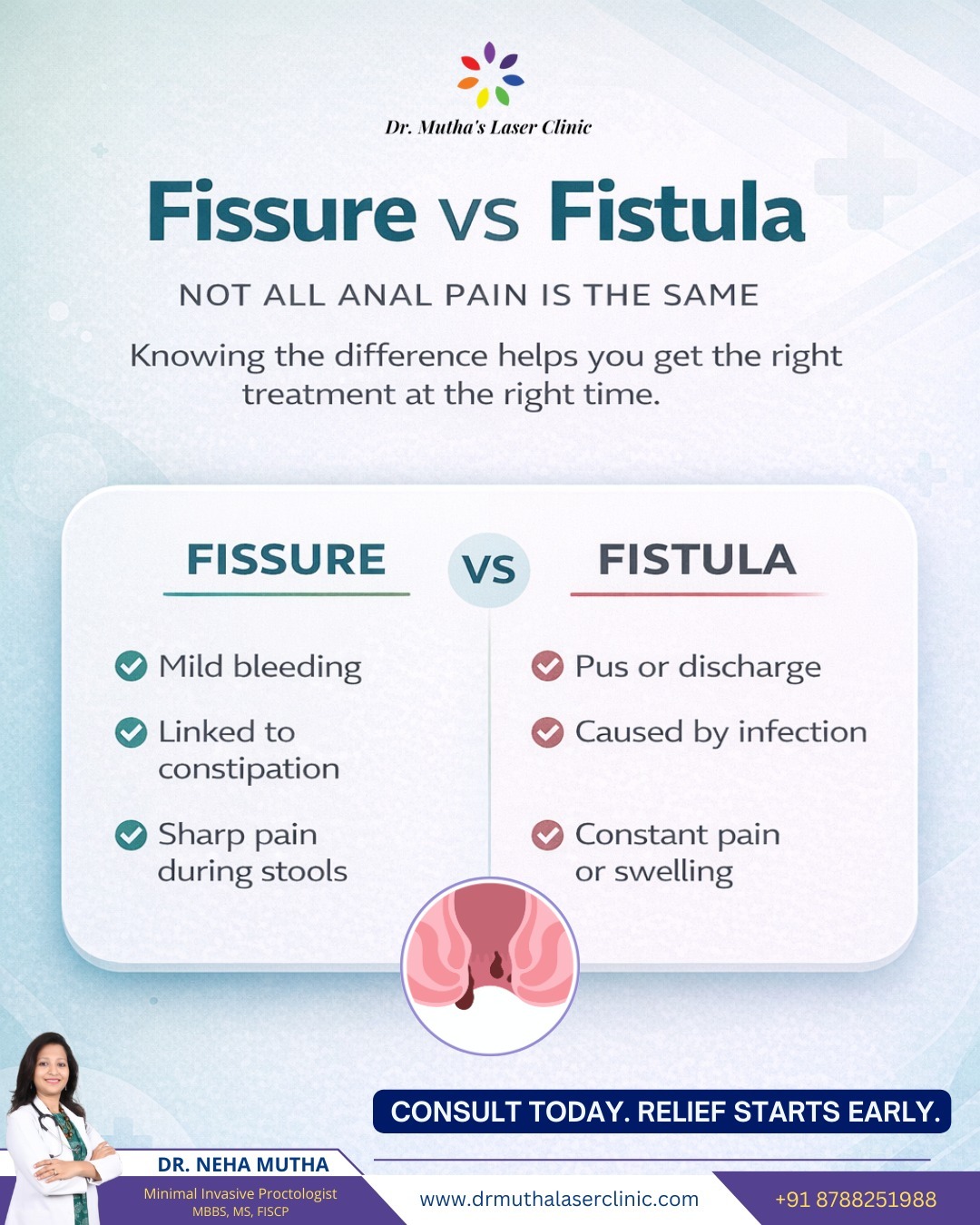
Anal pain is a common but often misunderstood problem. Many people assume all anal pain is the same, but conditions like anal fissure and anal fistula are very different and require different treatments. Knowing the difference helps you seek the right care at the right time and avoid complications.
This guide explains the difference between fissure and fistula, their symptoms, causes, and when to consult a specialist.
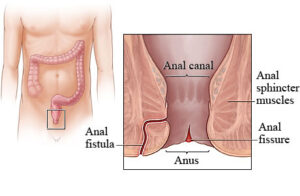
Both fissures and fistulas affect the anal region, but they differ in cause, symptoms, and treatment methods.
Anal Fissure
An anal fissure is a small tear in the lining of the anus. It usually occurs due to passing hard stools or severe constipation.
Common Symptoms of Fissure:
- Sharp pain during bowel movements
- Mild bleeding during stools
- Burning sensation after passing stool
- Linked to constipation
- Pain that comes and goes
Anal Fistula
An anal fistula is an abnormal tunnel that forms between the anal canal and the skin around the anus. It usually develops after an infection or abscess.
Common Symptoms of Fistula:
- Pus or fluid discharge
- Constant pain or swelling
- Foul smell near the anal area
- Skin irritation
- Repeated infections
Causes of Anal Fissure and Fistula
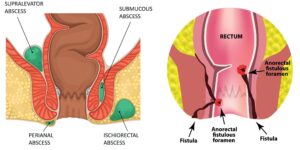
Understanding the causes helps in prevention and early treatment.
Causes of Anal Fissure:
- Chronic constipation
- Passing hard stools
- Straining during bowel movements
- Pregnancy and childbirth
- Low-fiber diet
- Dehydration
Causes of Anal Fistula:
- Anal abscess
- Infection in anal glands
- Crohn’s disease
- Tuberculosis (rare cases)
- Trauma or previous surgery
Key Differences Between Fissure and Fistula
| Feature | Anal Fissure | Anal Fistula |
|---|---|---|
| Nature | Tear in anal lining | Tunnel between anus and skin |
| Pain | Sharp during stool | Continuous pain |
| Discharge | Rare | Common (pus/fluid) |
| Cause | Constipation | Infection |
| Treatment | Medicines or minor procedure | Usually requires surgery |
Diagnosis of Fissure and Fistula
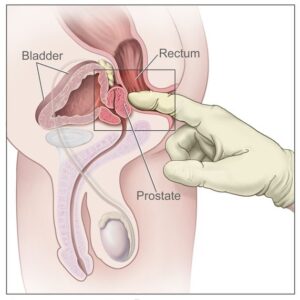
A specialist can diagnose the condition through:
- Physical examination
- Digital rectal examination
- Anoscopy
- MRI or ultrasound (for fistula cases)
- Medical history review
Early diagnosis prevents complications and improves recovery.
Treatment Options for Anal Fissure
Most fissures can be treated without surgery if detected early.
Non-Surgical Treatments:
- Stool softeners
- High-fiber diet
- Warm sitz baths
- Topical ointments
- Pain relief medications
Surgical Treatment (if chronic):
- Laser fissure surgery
- Lateral internal sphincterotomy (LIS)
Early treatment usually leads to faster healing.
Treatment Options for Anal Fistula
Fistulas usually require surgical treatment because they rarely heal on their own.
Common Treatments:
- Laser fistula treatment
- Fistulotomy
- Seton placement
- Minimally invasive procedures
Modern laser treatments offer faster recovery and less discomfort.
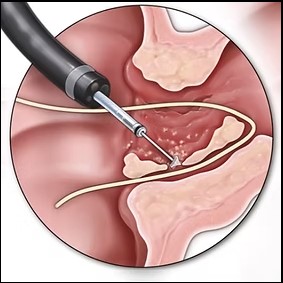
Tips to Prevent Fissure and Fistula
Simple lifestyle changes can reduce your risk.
- Eat a high-fiber diet
- Drink 8–10 glasses of water daily
- Avoid straining during bowel movements
- Maintain good hygiene
- Treat constipation early
- Exercise regularly
Prevention is always better than treatment.
When Should You See a Doctor?
Do not ignore symptoms of anal pain.
Consult a specialist if you experience:
- Bleeding during bowel movements
- Persistent anal pain
- Pus discharge
- Swelling around the anus
- Pain lasting more than a few days
Early consultation leads to better outcomes and prevents complications.
Expert Care for Fissure and Fistula Treatment
If you are experiencing symptoms of fissure or fistula, timely medical care is essential. Modern minimally invasive fissure & fistula treatments can provide effective relief with minimal discomfort and faster recovery.
Consult Dr. Neha Mutha – Minimal Invasive Proctologist
For accurate diagnosis and advanced treatment options tailored to your condition.